Certified Wildfire Risk Assessment & Risk Reduction
1. Schedule Your Wildfire Hazard Assessment
2. Personalized Mitigation & Home Hardening Plan
2. Personalized Mitigation & Home Hardening Plan

Give us a call, and we’ll set up a time to assess your home and property. It’s quick, easy, and the first step toward reducing risk.
2. Personalized Mitigation & Home Hardening Plan
2. Personalized Mitigation & Home Hardening Plan
2. Personalized Mitigation & Home Hardening Plan
Our Certified Wildfire Mitigation Specialist will visit your property to identify risks and create a custom mitigation plan. We’ll work with you to prioritize tasks based on urgency, budget, and logistics—ensuring you get the best protection without unnecessary stress.
3. We Get to Work Reducing Risk
2. Personalized Mitigation & Home Hardening Plan
3. We Get to Work Reducing Risk
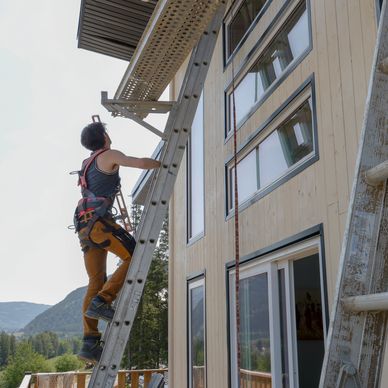
Once the plan is set, our team gets to work, reducing fire hazards and protecting your home. From roofs to decks and land clearing to soffit vents we have the right partners for the job.
Create Defensive Space
Create Defensive Space
3. We Get to Work Reducing Risk

Wildfires are unpredictable, but a well-prepared property can make all the difference. Creating a defensible space—a buffer between your home and surrounding vegetation—helps reduce the risk of fire reaching your home.
Home Hardening
Create Defensive Space
Fire Retardant Spray
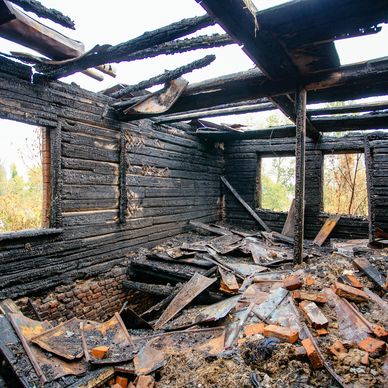
Majority of homes ignite from wind-driven embers, not direct flames. These embers can travel miles, landing on roofs, decks, and dry vegetation, sparking fires that spread to structures. Proper mitigation, helps prevent ember ignition and protects your home.
Fire Retardant Spray
Create Defensive Space
Fire Retardant Spray
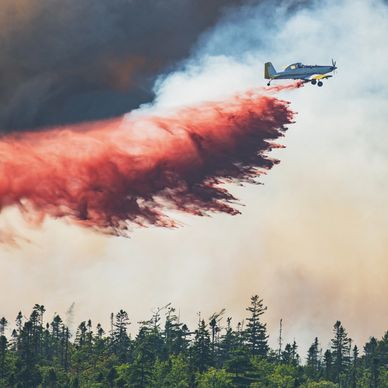
When removing vegetation or replacing building materials isn't a viable option, our non-toxic, clear fire retardant spray provides a vital safeguard. This specialized treatment bonds to surfaces to slow flame spread and inhibit ignition. It’s a science-based solution for the last resort.

Why Work with a Certified Wildfire Mitigation Specialist
We don't just clear brush; we disrupt the physics of fire. By identifying ember ignition zones and radiant heat paths, we provide the technical expertise needed for HOA approval and insurance eligibility. We provide the strategy, then we provide the best crews to do the work